
Drywall painting in Columbia, SC is the easiest way to refresh the house. The process is doable and inexpensive. We just need to focus on the right steps to prepare the wall. Getting professional help in this is the smartest thing to do. Brushstrokes Painting and remodelling services offer professional drywall painting and flooring in Columbia. They provide quality with assurance.
What is drywall painting?
Drywall painting is the process of preparing the wall, which includes steps like cleaning the wall, applying primer, and then painting the wall. It is usually done on the inside walls of the home. The drywall has a porous surface, and it needs to be covered by some material or mud to make it look smoother. If the drywall is left unattended, the paint will not last long and will not have a professional finish. Proper preparation of the wall will give:
- Long-lasting paint
- Smooth and premium look
- Less tearing of paint
- Fewer paint coats required
Drywall Painting Step-by-Step Guide
Drywall painting requires patience and practice. It requires smoothing the wall so the paint looks neat and clean. Rushing the process can lead to uneven walls and a waste of time and money. Thus, to achieve flawlessness and for a long-lasting effect, it is important to follow the steps efficiently.
Step 1: Clear the room
Painting with all the furniture in the room can ruin the process or the furniture too. So, it is important to take out all the furniture from the room and make the room spacious. Remove the curtains and then empty the room.
Step 2: Clean the walls
There could be so much dust on the wall that it can affect the adhesiveness of paint on the wall. The paint would not stick on a moist or dusty wall, so it is always recommended to clean it first. To do so, you can use a clean towel to wipe the walls.
Step 3: Looking for and fixing damaged areas
The drywalls can have many pores and uneven dents, which can wreck the whole look of the wall. So it is necessary to fill the dents with some compound.
Step 4: Adding sand in the damaged areas
The next step is filling sand in the dents with sand and paper, and then cleaning all the dust around it. This will help make the wall smooth and can result in a better appearance or ensure the longevity of paint.
Step 5: Applying primer on the wall
This is a very important step in drywall painting. Applying primer on the wall makes it smoother and enhances the adhesiveness of the paint. The primer helps provide the same color as the paint. One thing to keep in mind is that choosing a good-quality primer should always be a priority for lasting results.
Step 6: Painting the wall
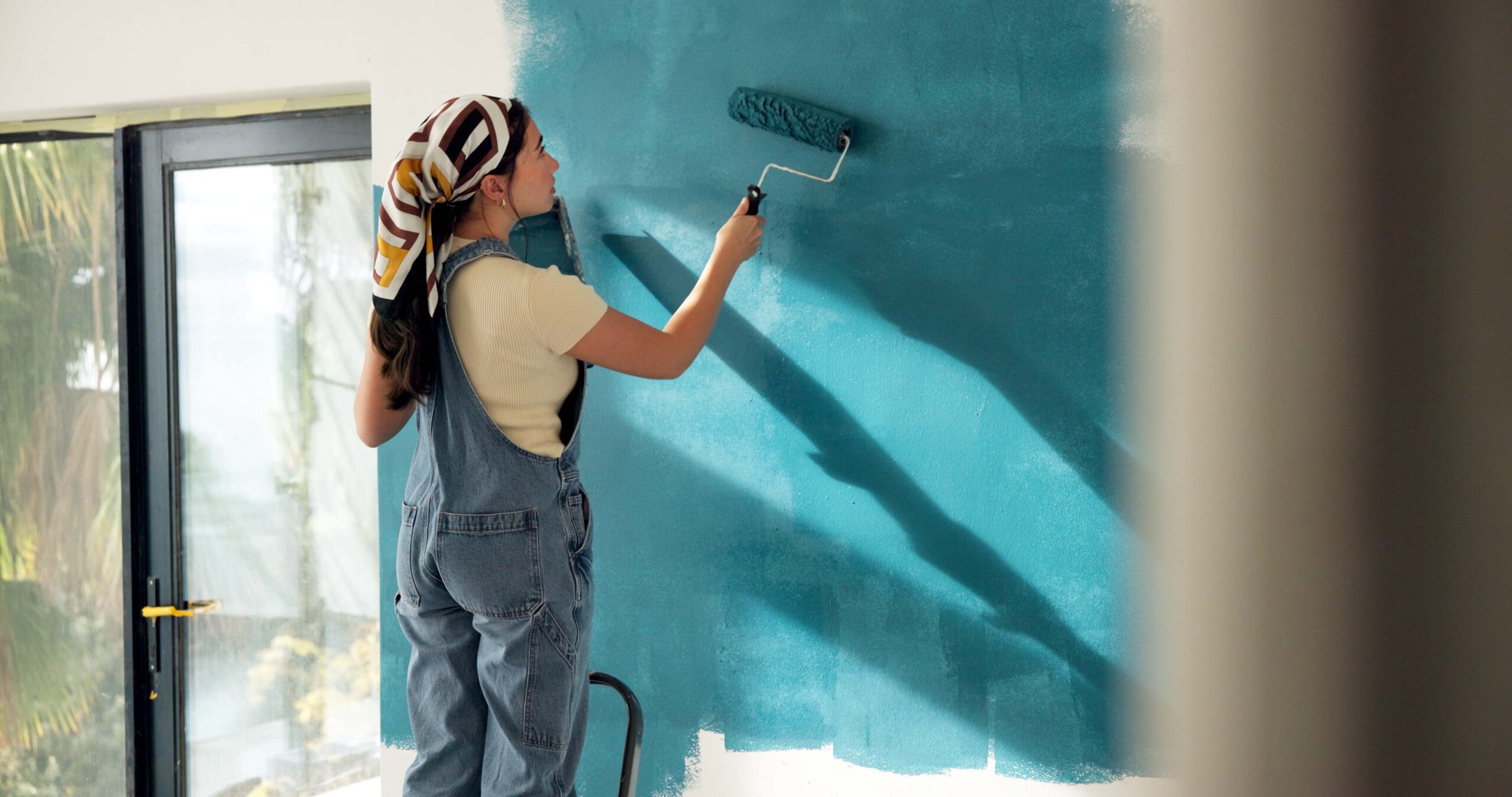
Then comes the part of painting. Pour the paint into the painting tray and then dip the roller or paint brush in the paint and apply it on the wall. Put more focus on the corners of the wall. When the first coat of paint dries, apply the second coat for a better result and finish.
Choose the Right Paint Finish for the Room
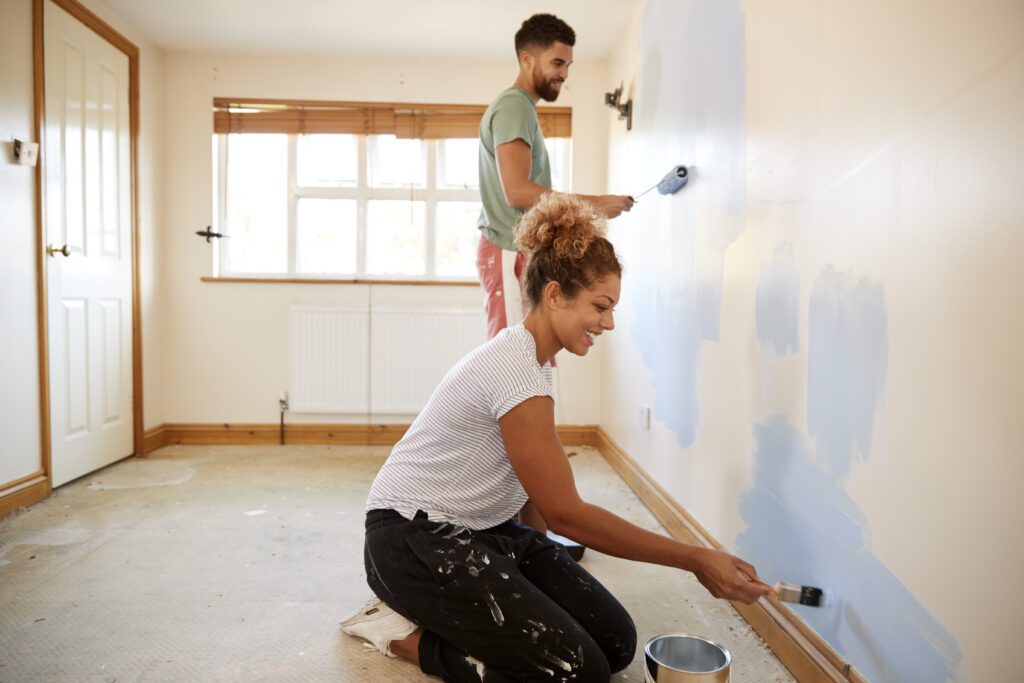
The type of paint finish can change how the finished wall looks and how easy it is to maintain. A matte or flat finish can work well for hiding minor surface imperfections, while eggshell or satin finishes are easier to wipe clean and can be useful in busy areas. For homes with children, pets, or high-traffic rooms, choosing a washable finish can make regular maintenance easier. The best option depends on the room, lighting, wall condition, and how much daily use the surface receives.
Why preparing the wall is required for drywall painting in Columbia
The weather varies from country to country. Every homeowner should first identify the needs of the climate and then think about painting the house. In Columbia, the air quality is sometimes moderate and sometimes humid and dry, which can affect the walls of the house. This is why preparing the wall for drywall painting is considered to be the right choice.
Pay Attention to Color and Natural Light
Wall color can look different depending on the amount of natural and artificial light in a room. A shade that looks bright in a paint store may appear darker in a room with limited sunlight. Before committing to a color, homeowners can test a small area and observe it at different times of the day. This simple step can help avoid repainting costs and make it easier to choose a color that works with the room’s furniture, flooring, and overall design.
Getting professional help
We know many people who can paint their house by themselves, but drywall painting requires more concentration, the right equipment, and more persistence. Getting expert help can:
- Recommend quality products
- Ensure longevity
- Polished look
- Less time consuming
Plan the Painting Around Other Home Improvements
Timing can make a difference when several improvements are being completed in the same space. Homeowners may want to finish major installation work before completing the final wall painting so new surfaces are not accidentally marked or damaged. For example, when Tile Renewal or other renovation work is being completed nearby, planning the order of the work can help protect the finished walls and keep the overall project organized. Good scheduling can make a home improvement project easier to manage and reduce unnecessary touch-ups.
Final thoughts
Preparing the wall perfectly for drywall painting is the trade secret for expert-level painting. Neat and primed walls enhance the adhesion of the paint, and the walls look more appealing to the eyes. The durability of paint also increases.
Thus, by following the steps, the homeowners can attain professional-looking walls and can make proper use of their investment.
FAQ
Do we have to prep the drywalls before painting?
It is recommended to prep the drywall before painting and always use a good-quality primer to increase the durability of paint.
Can we put primer directly on the drywall?
Yes, we can definitely put primer directly on the drywall, as it is very porous and can impact the appearance of the wall after painting.
What should drywall look like before painting?
The drywall should be cleaned and dent-free. All the uneven parts of the wall should be covered with the compound and have primer on them.
How many coats of paint do walls need?
Two coats are more than enough to get a smooth-looking wall. This will provide demanded color and will have better durability.
What are the common mistakes when finishing drywall?
The most common mistakes are not wiping the dust from the wall, not priming the wall correctly, adding too much sand in the dents, and uneven rolling of paint.